
Blog
Wi-Fi Temperature Data Logger: Benefits & Applications

Temperature monitoring is important for businesses that store or handle temperature-sensitive products and equipment. A Wi-Fi Temperature Data Logger in Delhi makes this process easier by automatically recording temperature data and transmitting it over a Wi-Fi network.
Unlike traditional data loggers that require manual data collection, Wi-Fi-enabled devices can allow users to monitor temperature remotely and receive alerts when conditions go outside predefined limits. Many businesses prefer solutions from a Temperature Data Logger Supplier in Delhi to ensure reliable performance and local support.
What Is a Wi-Fi Temperature Data Logger?
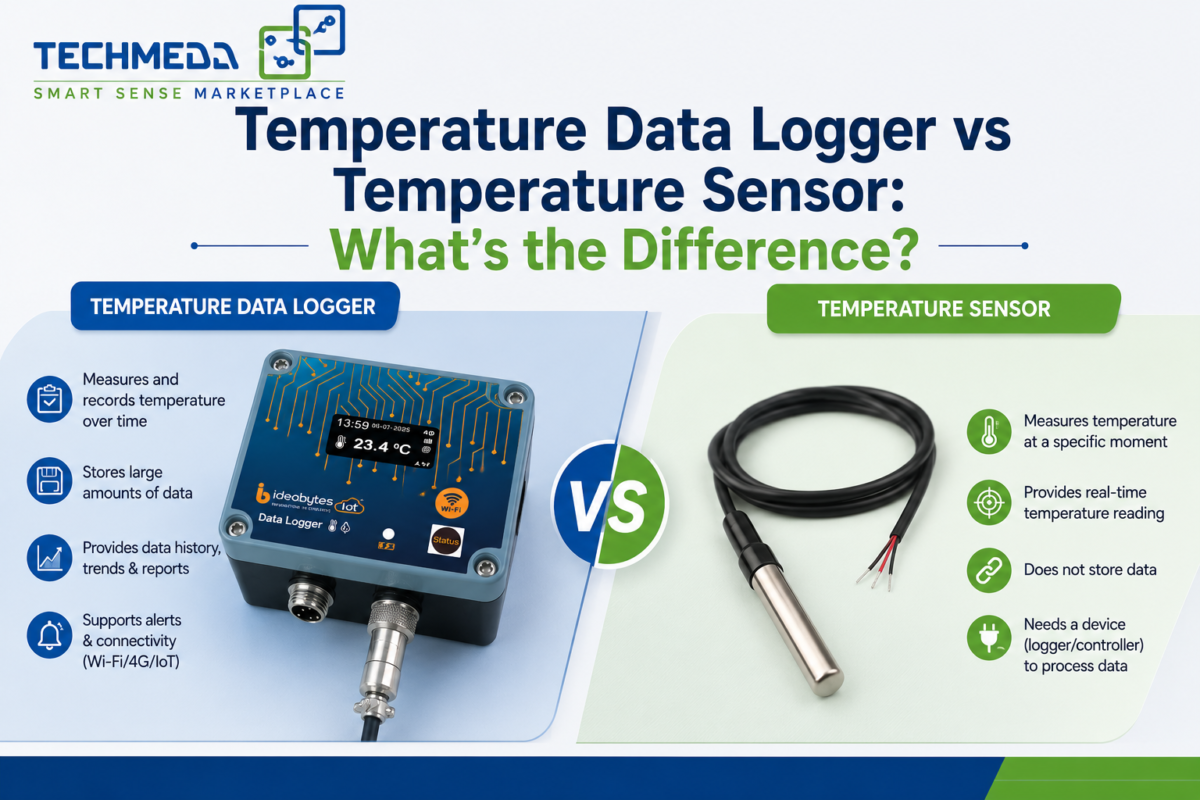
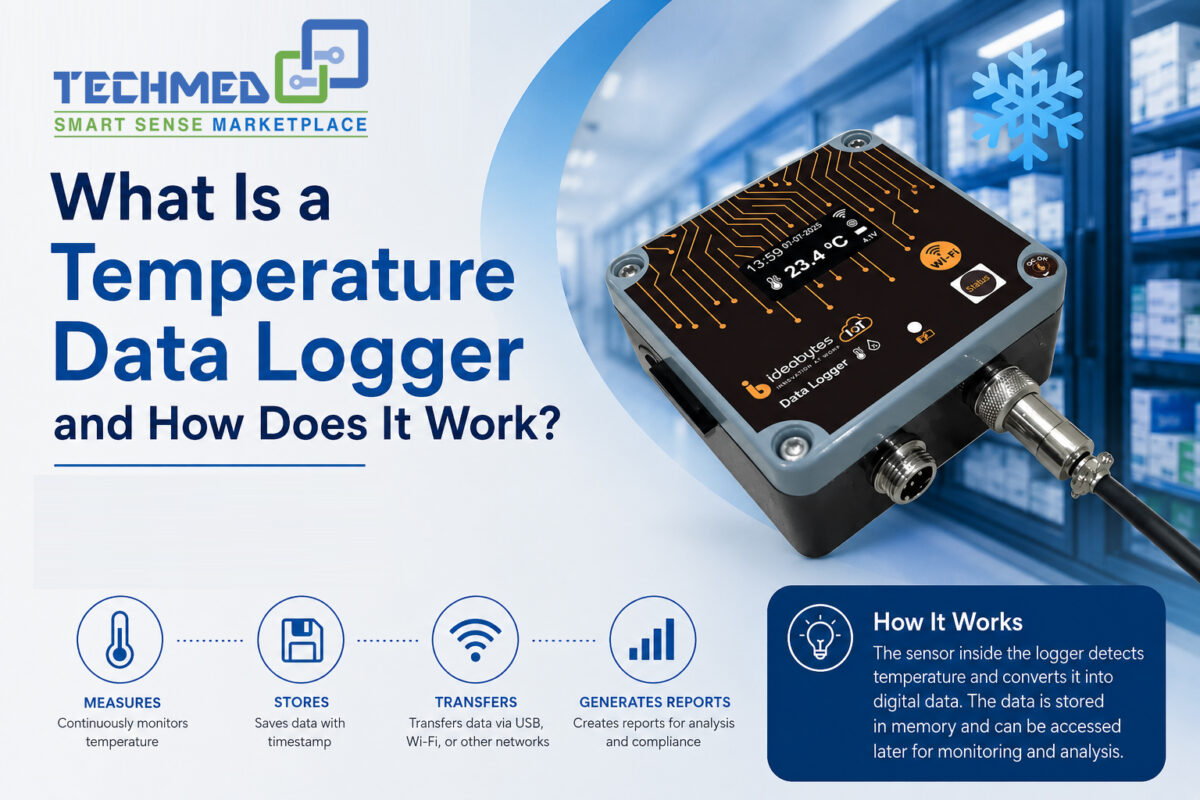
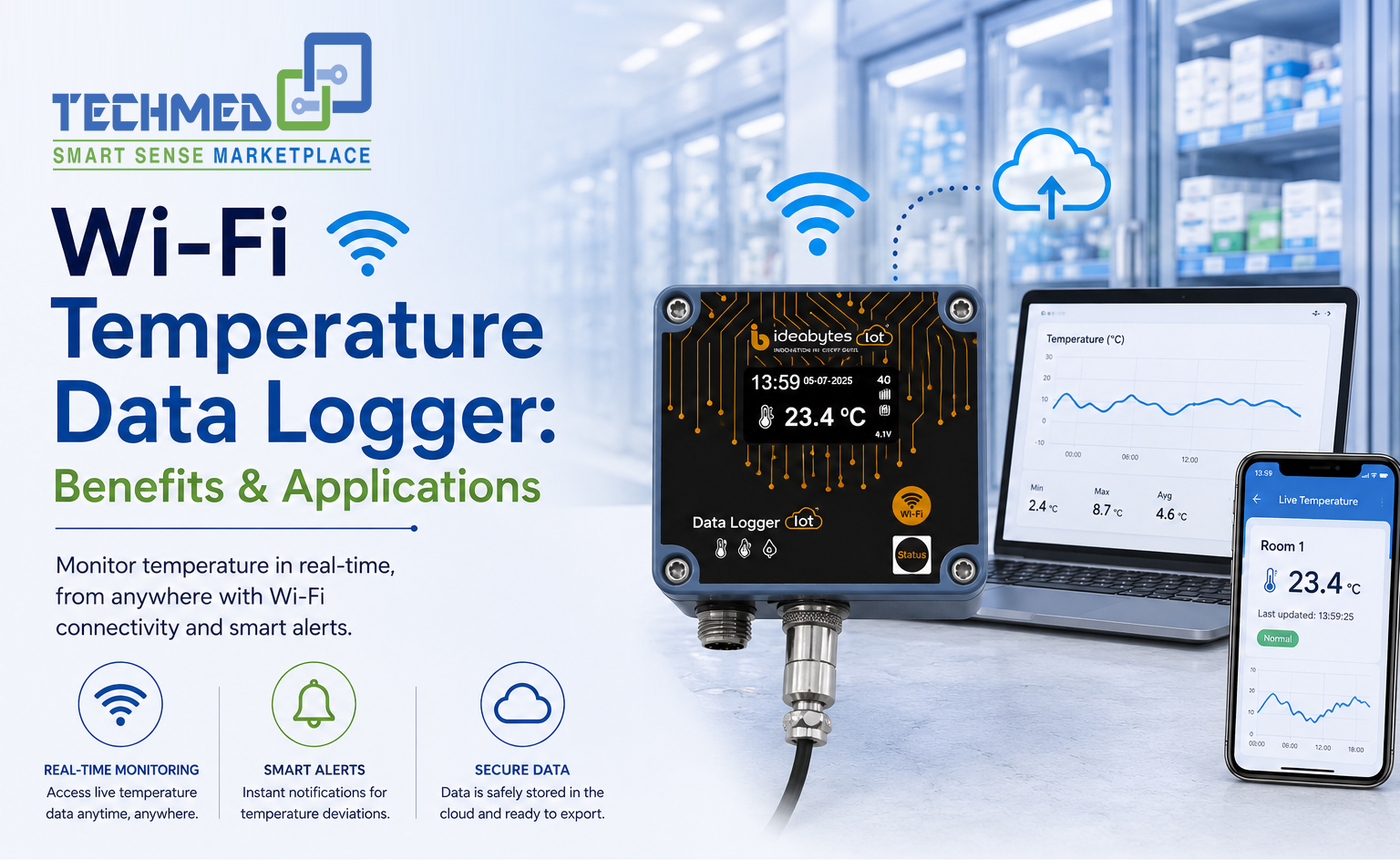
A Wi-Fi temperature data logger is a device that measures and records temperature while using a wireless network to transmit the collected data.
Depending on the model and monitoring platform, users can access temperature information remotely through software, dashboards, or connected devices.
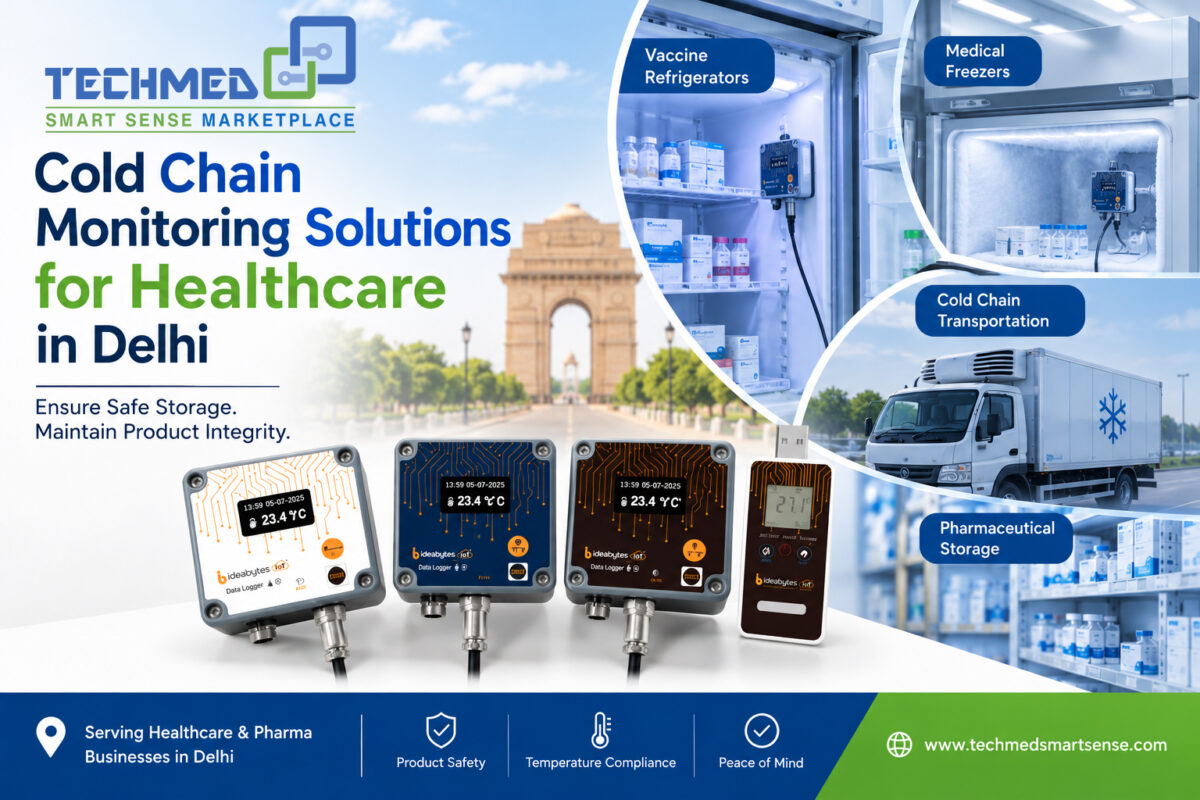
These loggers are useful for applications where continuous monitoring and quick access to temperature information are important. A Temperature Data Logger in Delhi is commonly used across industries such as healthcare, food storage, and laboratories.
How Does a Wi-Fi Temperature Data Logger Work?
The process is simple:
- A temperature sensor measures the surrounding temperature.
- The logger records the reading at a predefined interval.
- The data is stored and transmitted through a Wi-Fi network.
- Users can view the temperature information remotely.
- Alerts can be generated when the temperature crosses a set limit.
This reduces the need for employees to manually check and record temperatures throughout the day.
Benefits of a Wi-Fi Temperature Data Logger
1. Remote Temperature Monitoring
One of the biggest advantages is the ability to monitor temperature remotely.
Instead of physically checking a refrigerator, laboratory, cold room, or storage area, users can access temperature information through the connected monitoring system.
2. Real-Time Visibility
Wi-Fi connectivity can provide regular or real-time updates, depending on the device and system configuration.
This helps users identify temperature changes more quickly.
3. Temperature Alerts
Some Wi-Fi temperature monitoring systems can send alerts when the temperature goes above or below a predefined range.
Early alerts can help businesses investigate potential problems before they affect temperature-sensitive products.
4. Automatic Data Recording
The device automatically records temperature readings at selected intervals.
This creates a historical record that can be reviewed when required.
5. Reduced Manual Monitoring
Manual temperature checks can take time and may result in missed readings.
Automated monitoring reduces this workload and provides more consistent temperature records.
Applications of Wi-Fi Temperature Data Loggers
Wi-Fi temperature data loggers can be used in a variety of environments.
Pharmaceutical Storage
Pharmaceutical products may require controlled temperature conditions during storage.
Wi-Fi monitoring can help teams keep track of storage temperatures and identify temperature excursions.
Hospitals and Healthcare
Hospitals can use temperature monitoring devices for refrigerators, freezers, laboratories, medicine storage areas, and other temperature-sensitive environments.
Laboratories
Laboratories can monitor refrigerators, freezers, incubators, and storage areas where temperature stability is important.
Cold Storage
Cold rooms and warehouses can use Wi-Fi temperature monitoring to keep track of environmental conditions without requiring constant manual checks.
Food and Beverage
Temperature monitoring can help businesses maintain suitable storage conditions for temperature-sensitive food products.
Industrial Applications
Industrial facilities can use Wi-Fi data loggers to monitor temperature in rooms, equipment, warehouses, and production environments.
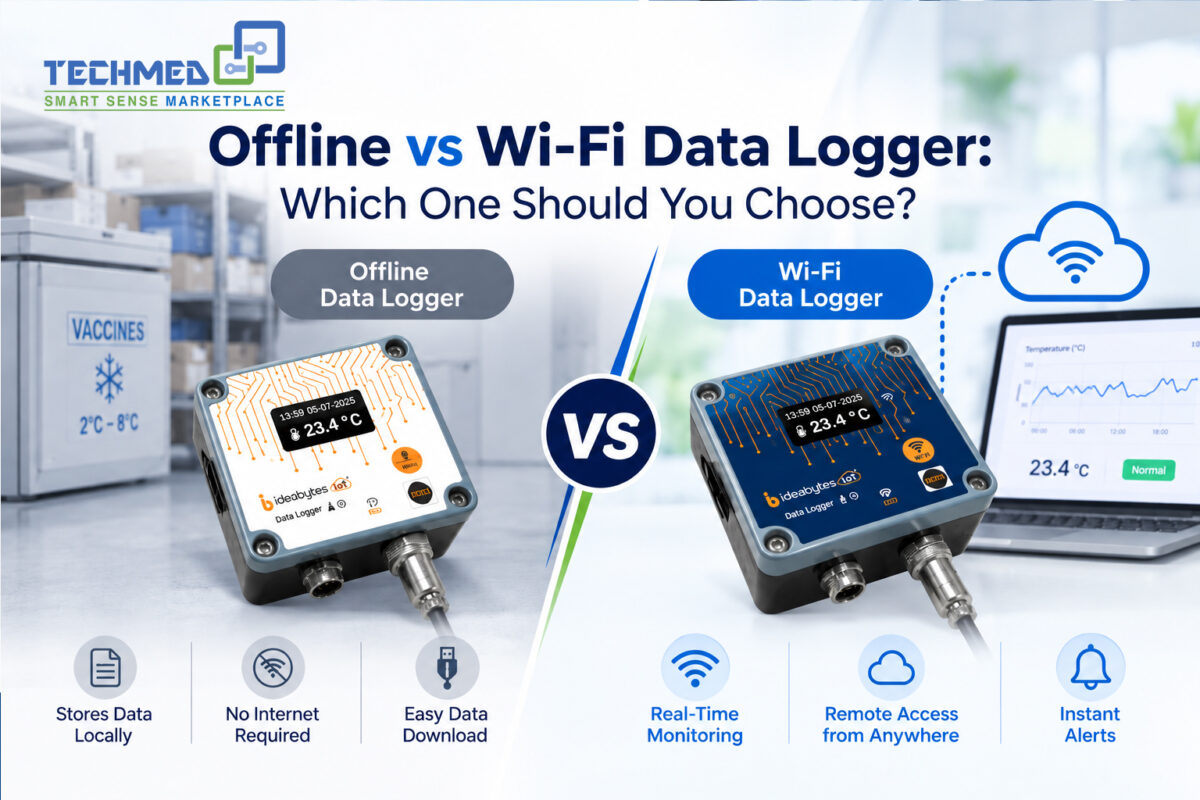
Wi-Fi Data Logger vs Offline Data Logger
The main difference is how the temperature information is accessed.
An offline data logger generally stores readings internally, and users retrieve the information later.
A Wi-Fi temperature data logger in Delhi can transmit information through a wireless network, making remote monitoring possible.
If you only need periodic data collection, an offline logger may be suitable. If you need remote access and alerts, a Wi-Fi solution can be more useful.
How to Choose a Wi-Fi Temperature Data Logger
Before purchasing a Wi-Fi temperature data logger, consider:
- Required temperature range
- Measurement accuracy
- Recording interval
- Sensor type
- Memory capacity
- Wi-Fi connectivity
- Alert functionality
- Monitoring software
- Battery or power requirements
- Number of channels
Choosing the right device from a trusted Temperature Data Logger Supplier in Delhi ensures better reliability and long-term performance.
Conclusion
A Wi-Fi Temperature Data Logger in Delhi provides a convenient way to automatically record and remotely monitor temperature conditions.
From pharmaceutical storage and hospitals to laboratories, cold rooms, food storage, and industrial facilities, Wi-Fi-enabled monitoring can reduce manual checks and provide better visibility into temperature conditions.
For applications where temperature changes need to be identified quickly, a connected temperature monitoring solution from a reliable Temperature Data Logger Supplier in Delhi can be a valuable addition to the monitoring process.
Frequently Asked Questions
What is a Wi-Fi temperature data logger?
It is a temperature monitoring device that records temperature and uses Wi-Fi connectivity to transmit the collected information for remote monitoring.
Where are Wi-Fi temperature data loggers used?
They are commonly used in pharmaceutical storage, hospitals, laboratories, cold storage, food storage, warehouses, and industrial environments.
Can a Wi-Fi temperature data logger send alerts?
Many connected temperature monitoring systems support alerts when temperature readings cross predefined limits.
Is Wi-Fi better than an offline data logger?
It depends on the application. Wi-Fi is useful when remote monitoring and alerts are required, while offline loggers can be suitable for periodic data collection.